
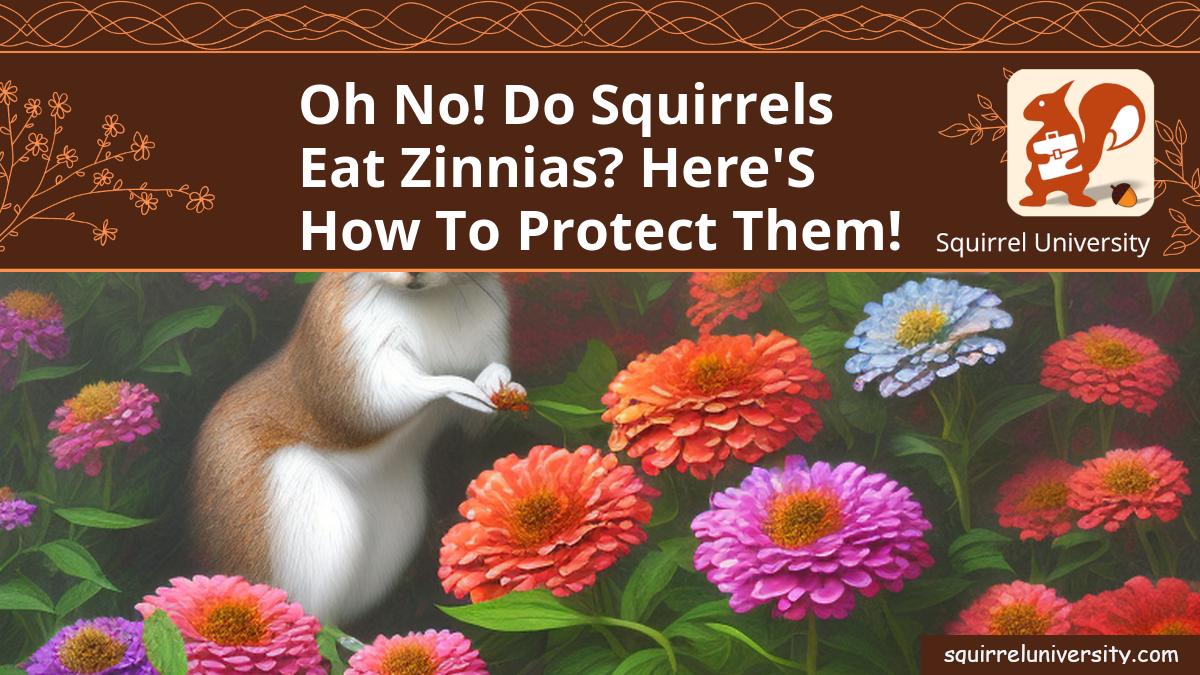
As someone who has spent years observing, interacting with, and simply admiring squirrels all around the world, I can’t help but ask: do squirrels eat zinnias? It’s a common concern for many gardeners who wish to protect their beloved flowers. In this blog post, I’ll share my expertise on the subject and answer any questions you may have about this important topic.
Squirrels are omnivorous animals, meaning they eat a variety of items, including both plants, animals, and flowers like zinnias. However, squirrels typically prefer to snack on seeds, nuts, berries, fungi, and insects like aphids, spider mites, and white flies.
Do Squirrels Eat Zinnias?
The answer to this question is yes, generally speaking. While squirrels are omnivores, meaning they can eat both plants and animals, zinnias are flowers that squirrels can eat if they have the opportunity. Otherwise, these critters tend to stick to nuts, seeds, berries, fungi, and insects like aphids, spider mites, or white flies.
What animals eat zinnias?
Are still wondering: “what is eating my zinnias?” Well, here are other animals that can eat it besides squirrels. So, what eats zinnias?
Do deer eat zinnias?
Oh, deer indeed have a taste for zinnias! These graceful creatures, with their elegant antlers, seem to fancy a gourmet meal of zinnias in their diet. They’ll prance around, happily munching on these lovely flowers, treating your garden like their personal salad bar. So, if you’re a fan of zinnias but have deer visitors, better take precautionary measures before your garden becomes their five-star restaurant.
Do rabbits eat zinnias?
Hop, hop, hop! And the answer is a resounding yes! Those fluffy-tailed critters absolutely adore nibbling on zinnias, treating them like a delicacy. To rabbits, zinnias are the equivalent of a mouthwatering buffet, and they will blissfully feast on all the colorful blooms they can find. So, keep a watchful eye on your zinnias if Peter Cottontail is a regular visitor in your garden.
Do chipmunks eat zinnias?
Ah, the adorable mischief-makers of the rodent world – the chipmunks! While they might be cute, they surely don’t shy away from snacking on zinnias. These little cheek-stuffers have been known to sneak a bite or two from zinnias, declaring them a tasty addition to their diet. So, if you s
What Other Plants Do Squirrels Eat?
Aside from zinnias, squirrels have been known to snack on a number of other plants in the garden. They love munching on tulips and rhododendrons, hosts and hydrangeas, hibiscus and forsythia. Squirrels are also partial to certain types of fruit trees including apple trees and cherry trees. In addition to these plants, they’re also prone to eating all sorts of nuts too.
- Tulips
- Rhododendrons
- Hosts
- Hydrangeas
- Hibiscus
- Forsythia
- Roses
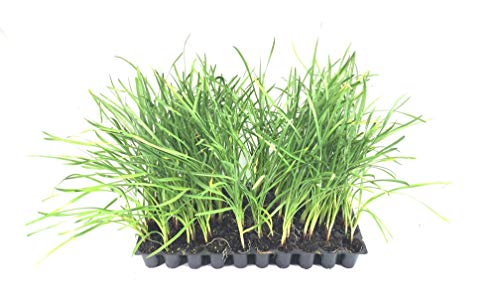
- Monkey Grass
- Petunias
- Sunflowers
- Impatient
So, do squirrels eat wildflowers? They surely do!
In terms of keeping squirrels out of your garden altogether, be sure to implement deterrents such as motion activated sprinklers or use natural repellents like cayenne pepper or garlic oil. You can also lay down sheet metal around the perimeter of your garden or place rubber snake skins within its boundaries.
To help ensure this doesn’t happen, make sure you’re providing alternate food sources nearby and utilizing protective measures such as netting or motion-activated sprinklers when necessary.


(Quercus species) Oak trees provide a great source of both nutrition and shelter for many species of wildlife including foxes, raccoons, skunks, deer – and yes even squirrels! Oak trees produce acorns which contain high amounts of fats and proteins that are essential for supporting animal populations during winter months when vegetation might otherwise be scarce.
How to keep squirrels out of your garden?
Are pesky squirrels ruining your hopes of a bountiful garden? Don’t worry, we’ve got you covered. Here are some amazing and effective ways to keep these critters far away from your beloved crops:
1. Install a fence
We’re not building a fortress here, but a 2-foot fence barrier surrounding your garden with fine mesh will keep those pesky squirrels out. They’re great climbers, but they’ll get tired of trying to reach your delicious fruits and veggies for sure.


2. Netting
If you prefer a more flexible solution, bird netting, chicken wire, or other fine mesh netting can do the trick. Think of it as a protective bedsheet for your plants. It’s not fancy or stylish, but it’ll get the job done.
This is especially effective to protect both fruit trees and vegetables on the ground.
4. Scented deterrents
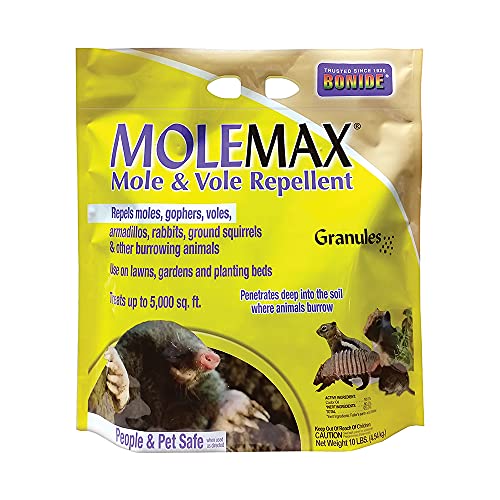
If you want a more natural way of keeping squirrels away, try some garlic, cayenne pepper, vinegar, predator urine, mothballs, or peppermint oil. Sounds stinky? Well, that’s the point. These smells are highly irritating, and they’ll convince squirrels to keep their distance.
4. Ultrasound Deterrents
Another high-tech way to deter squirrels from your garden is by using ultrasound deterrents. These devices emit high-frequency sound waves that humans can’t hear but are unbearable to animals, including squirrels. The sound disorients squirrels, making them extremely uncomfortable, and ultimately drives them away from your garden.
To use ultrasound deterrents, you can purchase an ultrasonic repellent device and place it in your garden. The device will emit sound waves in all directions, ensuring that all squirrels are deterred. The best part? These devices are environmentally friendly, humane, and don’t harm squirrels in any way.

5. Visual Deterrents
Squirrels are scaredy-cats, or should we say scaredy-squirrels? They’re afraid of movement and loud noises. Hang some shiny wind chimes or pinwheels near your garden bed, and they’ll be too spooked to even consider raiding your plants.
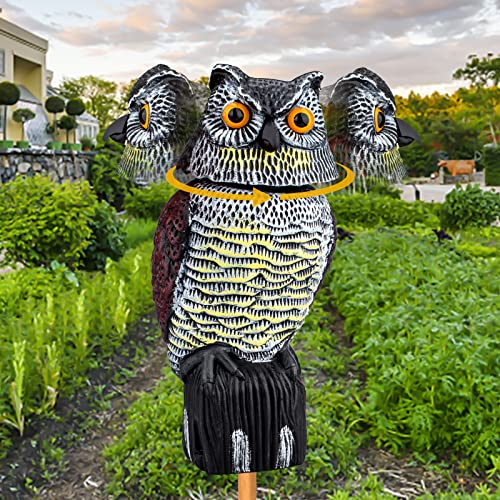
Also, try scaring them with fake predators like owls or eagles, or even plastic snakes. It might look ridiculous, but squirrels will be running for their lives.
6. Motion-Activated Sprinklers
Motion-activated sprinklers are an excellent deterrent for animals that come too close to your garden. These sprinklers are designed to activate when they detect movement, spraying the animal with a burst of water. The sudden, unexpected splash of water scares squirrels, and they’ll quickly learn to avoid your garden altogether.
To use motion-activated sprinklers, place them in areas where squirrels tend to enter your garden. You can attach them to a garden hose or use a battery-operated model. When the sprinkler’s motion detector senses movement, it’ll trigger the spray and scare squirrels away.

7. Companion Planting
Squirrels are picky eaters, and there are some plants they hate, such as mint, chives, and daffodils. So go ahead and sprinkle some of these around your garden, and maybe even plant some prickly plants or cacti nearby. They won’t even stand a chance.

8. Alternative food sources
One last method to prevent squirrels from eating your flowers is to offer them an alternative food source, like some delicious corn on the cob. Moreover, you can also get an extremely cute squirrel feeder as well!
What Kind Of Trees Do Squirrels Eat?
Squirrels are primarily herbivores and feed on a variety of trees, particularly those that make up their natural habitat. Common tree varieties they eat include oak, maple, hickory, pine, walnut, birch, and beech. They also enjoy munching on fruit and nuts from the trees they live in like acorns and chestnuts.
Oak Trees
Squirrels love munching on oak trees! Both the leaves and acorns are a favorite among these critters. Oak trees are also an important food source for other wildlife, so be mindful not to over-harvest or uproot them when trying to deter squirrels from your garden. If you live in an urban area, opt for native species of oak trees as opposed to exotic varieties. These will help provide a habitat for local animals and insects that rely on oak tree habitats for survival.
Pine Trees
Squirrels enjoy snacking on pine trees! Pine nuts are a great source of protein for these critters, as well as providing them with shelter and protection. This can be a problem for gardeners who also have pine trees around their zinnias. To protect your zinnias from hungry squirrels, make sure to trim or prune the trees regularly so that they don’t become too inviting to furry visitors.
Will Squirrels Eat Herbs?
Herbs are a great way to spruce up your yard, and it can be disappointing if an animal decides to sample them. Fortunately, squirrels don’t usually eat herbs, but they may nibble on certain ones if there isn’t anything else around.
Squirrels, like all animals, prefer foods with higher calorie counts, so they’re looking for energy-rich items. Herbs, such as rosemary, sage, chives, thyme and oregano tend to have lower calorie counts than other common garden plants like zinnias or tulips.
Another reason squirrels don’t eat herbs is that the foliage tends to be tough and leathery. This makes it difficult for the squirrel to chew and digest the plant matter. So even if a squirrel finds a herb patch in your yard, they won’t necessarily feel compelled to munch on it.
What Plants Keep Squirrels Away?
If you’d like to keep curious squirrels away from your herbs or other plants in your garden, there are certain flowers and shrubs that deter them. Some plants contain bitter compounds which make them unappealing to squirrels while others produce odors that they find unpleasant.
Acanthus
- Also known as snowdrop wildflowers, Acanthus is a genus of about 20 species of bulbous perennials native to temperate regions of Europe and Asia.
- The sweetly scented white flowers bloom early in the spring and give rise to small bulbs which are unpalatable for squirrels.
Hyacinth
- Hyacinth is a type of flowering bulb often used for landscaping in gardens and yards due to its colorful blooms and pleasant scent.
- This bulbous perennial has an unpleasant taste which deters squirrels from eating it.
Albums
- Albums are flowering plants in the onion family which grow from bulbs or flat rootstocks. They come in various shapes and sizes ranging from small wildflowers to large ornamental onions.
- The pungent aroma produced by these plants acts as a deterrent for not only squirrels but also deer, rabbits, and other animals looking for food sources.
Fritillaries
- Fritillaries are bell-shaped flowers which come in many colors including purple, pink, yellow, white and red. The petals form starlike patterns when viewed from above.
- These fragrant flowers contain chemical compounds which make them distasteful to small animals like squirrels thus keeping them away from your garden.
Geraniums
Geraniums are an effective way to protect your zinnias from pesky squirrels. The strong scent of geraniums can act as a deterrent for squirrels, who don’t like the smell and may stay away from your garden if they detect it. Geraniums provide a colorful addition to any garden, so you can enjoy the sight of them while protecting your zinnias at the same time!
Lily Of The Valley
- Also known as Convallaria masalas, this delicate flower is native to Northern Europe, North Africa, and Western Asia.
- Although lilies of the valley have mild scents that may attract some insects or birds, their strong musky odor often keeps larger mammals at bay.
Daffodils
Daffodils are often referred to as ‘cheerful’ flowers thanks to their bright yellow, white and orange petals. They contain an alkaloid called licorice, which is toxic to some animals – including squirrels. However, most species of squirrels are intelligent enough not to consume daffodils as they know the potential consequences.
Nevertheless, it is best practice for gardeners to plant daffodils in beds or containers away from areas where squirrels typically enter. Daffodils can also be mixed in with other plants and flowers that are more appealing to squirrels, such as tulips or hosts.
Nasturtiums
These vibrant plants come in a multitude of shades ranging from coral pink to zesty lime green. While their blooms may attract the occasional bee or hummingbird, nasturtiums are generally considered unappealing to most garden pests – including squirrels. This is largely because nasturtiums have a unique flavor that many animals find unpleasant.
Due to their bitter taste and leaves that contain trace amounts of mustard oil, nasturtiums rarely get nibbled by any troublesome critters. If you are looking for a colorful bush or vine that won’t draw attention from pesky squirrels, consider planting some nasturtiums near your outdoor space.
Marigolds
A popular choice among gardeners due to its resilience and cheerfulness, marigolds can add a splash of color to any outdoor space. Despite their beauty, marigolds carry an intense scent that tends to repel pests – including rodents like squirrels. The pungent odor of marigolds serves as a natural deterrent for these rascally plant pilferers.
As an added bonus, marigold extract has potent antifungal properties, so planting a few marigolds near your zinnias can keep fungal diseases at bay. Plus, when crushed up, the flower petals make excellent mulch material!
Dragon Heads
Squirrels love to chow down on delicious, succulent plants – including Zinnias! Luckily, there are ways to protect your lovely blooms from these pesky critters. Dragon Heads are known to have a repellent effect on squirrels due to their strong smell. Planting the herb near your garden may help to keep squirrels away and ensure that your Zinnias remain safe.
Irises
Squirrels snacking on your precious zinnias can be quite a nuisance. Thankfully, there are many plants that you can use to deter them from your garden. To keep these furry critters away, consider adding irises to your garden! Irises have an undeniably strong odor and fuzzy leaves, which can act as a natural barrier against squirrels. Furthermore, because of the bright colors and fragrant scent of irises, they make for an attractive addition to any garden. Remember: when choosing plants that can keep squirrels away, make sure they’re not toxic to other animals or humans.
Bleeding
Squirrels can be pesky visitors to our gardens, leaving behind a trail of destruction. But there is something they won’t nibble on—zinnias! To protect your precious flowers from hungry squirrels, choose plants that act as natural deterrents. Some animals may still munch on zinnias, but this list of plants will help keep them away: garlic, onions, chili peppers, lavender, marigolds, and eucalyptus. Plant these around the perimeter of your garden for an extra layer of protection.
FAQ
Can squirrels cause harm to vegetation?
Squirrels can certainly wreak havoc in gardens. They are known to strip fruit trees of any apples, and picking tomatoes from their vines. In addition, they can even pull out geraniums from window boxes. This destruction is not limited to the outdoors, as squirrels have been known to damage attics through chewing wires and ripping insulation.
What animal is consuming my zinnias during the night?
It is most likely a squirrel that is eating your zinnias at night. As they love to eat things in gardens, they may be helping themselves to your zinnias. The best way to prevent this type of behavior is to use fencing or other types of barriers to keep the squirrels away from your garden.
What type of harm do squirrels inflict?
Squirrels can cause significant destruction in gardens. They devour fruit off trees, pluck vegetables right from their vines, and rip up plants such as geraniums from windows boxes. Additionally, they can wreak havoc in attics with their chewing of wires, destruction of insulation, and leaving behind excrement.
What types of wildlife are drawn to zinnia flowers?
Zinnias are known to draw in a variety of pollinators, most notably butterflies. These winged insects are attracted to the colorful petals of zinnias and feed on their nectar. Other beneficial garden dwellers that may visit zinnia flowers include bumblebees, honeybees, and other beneficial wasps.
Do animals enjoy eating zinnias?
Squirrels and other animals may not find zinnias to be particularly appetizing. While some insects and birds may mistake them for food, the plant is not a favorite meal for many wild critters. The bright colors of zinnias can help attract pollinators like butterflies, making them a great addition to any garden.
Conclusion
So, do squirrels eat zinnias? Yes, they do. They are omnivorous and eat a variety of items, they typically prefer to snack on seeds, nuts, berries, fungi, and insects. To protect your zinnias from squirrels, you should take preventive measures such as fencing off the area where you grow them or using repellents.
You may also be interested in reading: